
A sump pump may not be the most glamorous addition to your home, but it can be a lifesaver when it comes to protecting your basement from flooding and water damage. Whether you’ve experienced water issues in the past or want to be proactive in preventing future problems, installing a sump pump is a wise investment.
Wise investment or not, the sump pump installation cost is what causes many homeowners to avoid looking into purchasing one in the first place. That’s where we come in.
In this comprehensive guide, we’ll explore:
- What a sump pump is
- Why you should consider installing one
- The costs involved
- Essential maintenance tips
Ready to learn if a sump pump installation cost is within your budget and if it is right for your home? Keep reading!
What Is a Sump Pump and What Does It Do?
Before diving into the costs and benefits, let’s start with the basics. A sump pump is a crucial component of many homes’ waterproofing systems. It’s typically installed in a sump pit, a small, specially constructed pit or basin in your basement or crawl space. The primary purpose of a sump pump is to prevent water from flooding your basement by collecting and pumping it away from your home’s foundation.
Here’s how a sump pump works:
- Water Collection: When excess water enters your basement, whether from heavy rain, melting snow, or plumbing issues, it flows into the sump pit.
- Activation: The sump pump is equipped with a float switch or sensor that detects rising water levels in the pit. Once the water reaches a certain level, the sump pump activates automatically.
- Pumping: The sump pump’s motor kicks in, and it pumps the collected water out of the pit through a discharge pipe, directing it away from your home’s foundation and into a designated drainage area.
- Preventing Flooding: By removing excess water promptly, the sump pump prevents basement flooding, which can lead to structural damage, mold growth, and costly repairs.
Now that you understand what a sump pump does, let’s explore why it’s a valuable addition to your home.
Reasons Why You Should Install a Sump Pump
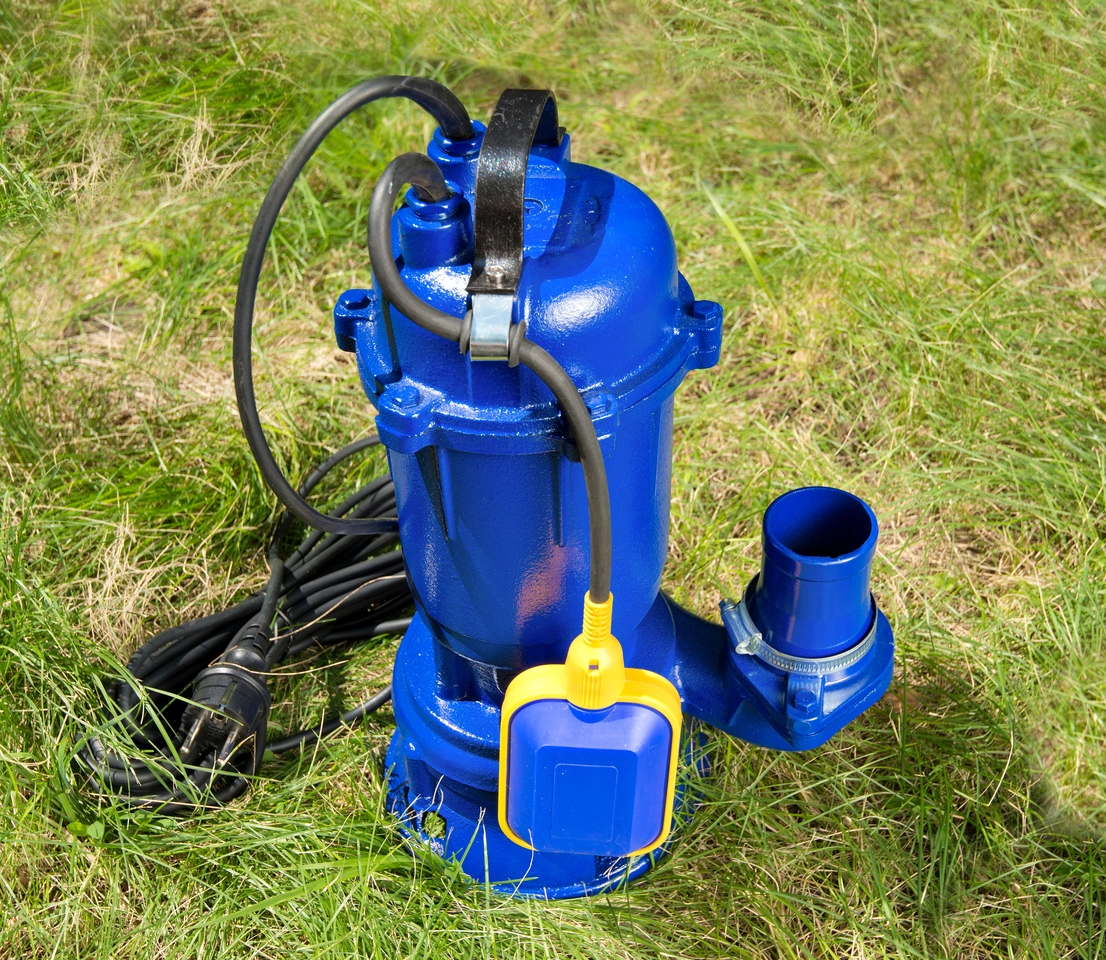
Sump pumps can definitely be an investment, but you get many benefits from that investment, including:
- Flood Prevention: The most apparent reason to install a sump pump is to prevent flooding in your basement. Basement flooding can be a nightmare, causing extensive damage to your belongings and the structural integrity of your home.
- Mold and Mildew Prevention: Excess moisture in your basement can lead to mold and mildew growth, which can affect indoor air quality and pose health risks to you and your family.
- Increased Property Value: Having a functional sump pump can increase the resale value of your home. Potential buyers are often willing to pay more for a property that has a reliable system in place to protect against water damage.
- Peace of Mind: Knowing that your basement is protected from water damage, especially during heavy rain or thawing snow, provides peace of mind. You won’t need to worry about the costly repairs and disruptions associated with basement flooding.
convinced of the benefits of installing a sump pump? Let’s get down to business and discuss the costs involved.
How Much Does It Cost to Install a Sump Pump?
The cost of sump pump installation can vary widely depending on several factors, including the type of sump pump, the complexity of the installation, and your location. On average, you can expect to spend anywhere from $500 to $2,500 for a sump pump installation. Here are some key cost factors to consider:
- Type of Sump Pump: There are two main types of sump pumps: submersible and pedestal. Submersible pumps are installed in the sump pit, while pedestal pumps have a motor mounted above the pit. Submersible pumps tend to be more expensive but are also more discreet and efficient.
- Size and Capacity: The size and pumping capacity of the sump pump you choose will impact the cost. Larger pumps capable of handling more significant water volumes tend to cost more.
- Labor Costs: The complexity of the installation can affect labor costs. If your basement requires significant excavation or structural modifications, the installation may be more expensive.
- Additional Components: You may need to invest in additional components, such as a backup sump pump, battery backup system, or a dedicated drainage system, which can add to the overall cost.
- Local Regulations: Some areas have specific building codes and regulations that can affect the installation process and costs. Be sure to check with your local authorities to ensure compliance.
- Professional Installation: While some homeowners attempt to install sump pumps themselves, it’s generally recommended to hire a professional for a proper and reliable installation. Professional installation costs will vary, so it’s a good idea to obtain multiple quotes from reputable contractors.
- Maintenance and Operating Costs: Don’t forget to factor in ongoing maintenance costs, such as periodic inspections and potential repairs. These costs are essential to ensure your sump pump remains in good working condition.
7 Sump Pump Maintenance Tips
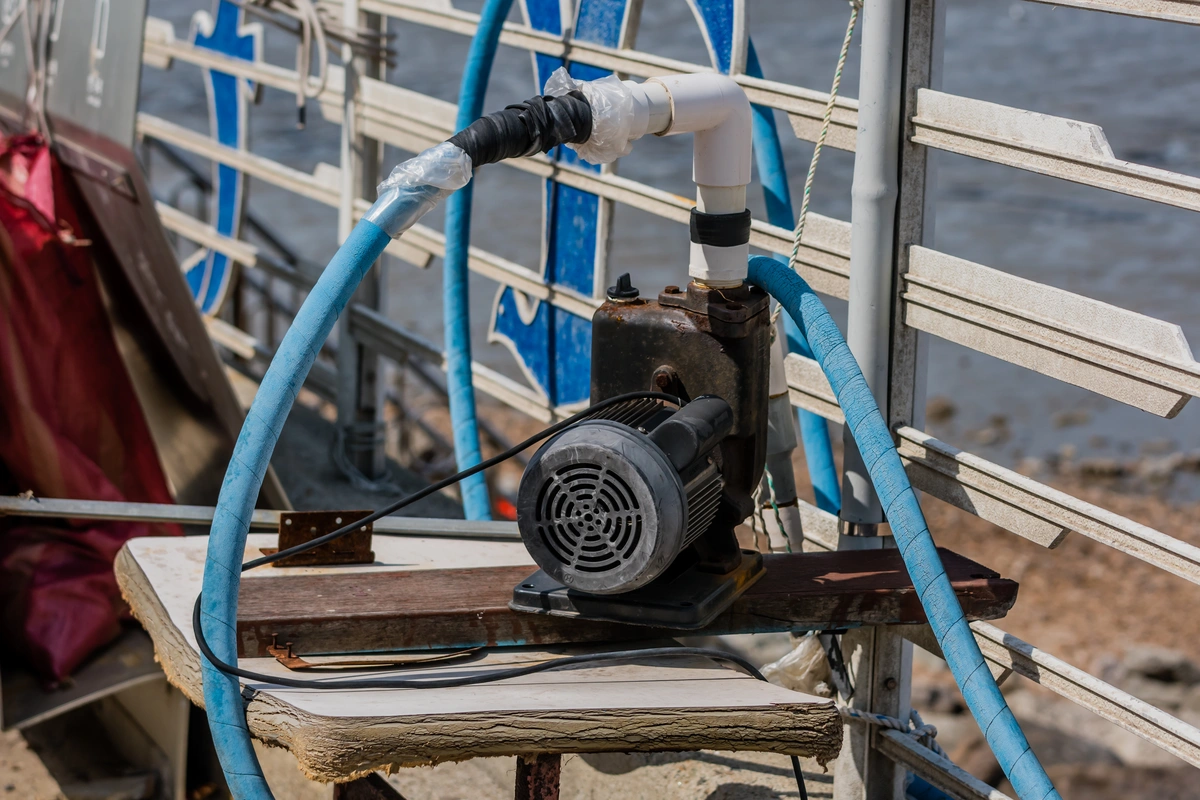
Now that you’ve invested in a sump pump, it’s crucial to maintain it properly to ensure it continues to protect your home. Here are some essential maintenance tips:
1) Regular Inspection
Check your sump pump at least once a year, ideally before the rainy season. Look for any signs of wear or damage to the pump, discharge pipe, and power cord.
2) Test the Float Switch
Fill the sump pit with water to test the float switch and ensure it activates the pump correctly. Ensure that the pump starts and stops as expected.
3) Clean the Sump Pit
Remove any debris, dirt, or sediment from the sump pit to prevent clogs and interference with the pump’s operation.
4) Test the Backup System
If you have a battery backup system, test it periodically to ensure it functions correctly in case of a power outage.
5) Check the Discharge Pipe
Inspect the discharge pipe to ensure it’s clear of obstructions and properly discharging water away from your home’s foundation.
6) Battery Maintenance
If your sump pump has a battery backup, check the battery regularly and replace it as needed to ensure it’s ready when you need it.
7) Professional Maintenance
Consider scheduling professional maintenance every few years to assess the overall condition of your sump pump and address any potential issues.
We’ll Get Your Sump Pump Installed Correctly!
Installing a sump pump is a smart investment in protecting your home from the devastating effects of basement flooding and water damage. But are you sure that it is right for you?
At AJ Alberts, we have over 30 years of experience in the plumbing industry. We’re ready to answer all of your questions about sump pumps and keep your home safe for years to come. Contact us today to get started!