
Clogged drains are a common household nuisance, but what do you do when the blockage seems to be lurking deep within your plumbing system? Fear not, for we’re here to help you tackle this tricky situation. In this comprehensive guide, we’ll explore the causes of deep drain clogs and provide you with step-by-step instructions on how to fix them. Say goodbye to slow drainage and unpleasant backups, and let’s get your plumbing flowing smoothly once again!
Inside this blog:
- Brief overview of clogged sink drains
- 5 DIY methods to unclog drains
- Signs it’s time to call in the pros
Read on to find out how to effectively fix a pesky clog in your drains at home!
Understanding Deep Drain Clogs 💧
Before we dive into the solutions, let’s take a closer look at what causes deep drain clogs:
1. Accumulated Debris
Over time, debris, soap scum, hair, and food particles can accumulate in your drains, creating a stubborn blockage that’s difficult to reach.
2. Grease Buildup
Kitchen sinks often deal with the buildup of grease and cooking oils, which can solidify deep within the pipes, leading to clogs.
3. Mineral Deposits
In regions with hard water, mineral deposits like calcium and magnesium can build up inside pipes, narrowing the passage for water to flow through.
4. Foreign Objects
Accidental drops of small objects or children’s toys down the drain can also contribute to deep clogs.
Now that we’ve identified the culprits, let’s explore how to tackle these stubborn clogs:
5 DIY Methods to Clear Deep Drain Clogs 🥄
Below are 5 easy DIY methods you can try out at home to clear your pipes.
1. Boiling Water
Boiling water is a simple yet effective method for breaking down grease and flushing away trapped residue.
How to use it:
- Heat a kettle or pot of water until it’s boiling, and carefully pour it down the clogged drain in stages.
- Allow the hot water to work its magic for a few minutes, and repeat the process if necessary.
2. Baking Soda and Vinegar
Baking soda and vinegar make a dynamic duo for neutralizing odors and cleaning pipes.
How to use it:
- Start by pouring half a cup of baking soda down the drain, followed by half a cup of vinegar.
- Cover the drain with a cloth or stopper to contain the fizzing reaction.
- After about 15 minutes, flush the drain with hot water to wash away the mixture and any loosened debris.
3. Plunger
A plunger isn’t just for toilets; it can help dislodge clogs and promote proper drainage in sinks.
How to use it:
- Ensure there’s enough water in the sink to cover the plunger’s bell.
- Position the plunger over the drain and create a seal by pressing down firmly.
- Push and pull the plunger several times with force to create suction and dislodge the clog.
- Finish by flushing the drain with hot water.
4. Wire Brush or Pipe Cleaning Tool
A wire brush or specialized pipe cleaning tool is useful for scrubbing away buildup clinging to the sides of pipes.
How to use it:
- Insert the brush or tool into the drain as far as it will go, and use a twisting motion to dislodge debris.
- Pull the brush or tool back out, along with any loosened material.
5. Plumbing Snake or Auger
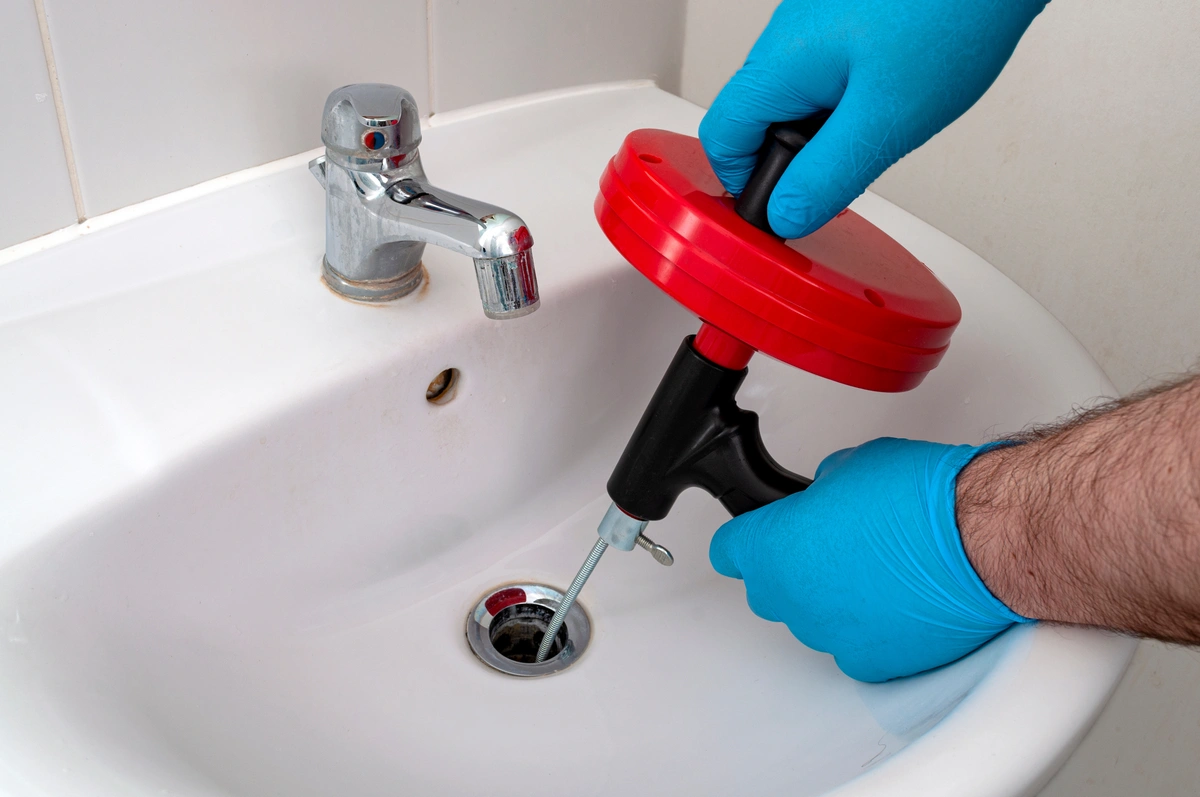
For more persistent clogs, a plumbing snake or auger can reach deep into the drainpipe to break up blockages.
How to use it:
- Insert the snake into the drain and turn the handle clockwise to extend it further.
- When you encounter resistance, continue to turn the handle and push the snake through the clog.
- Once the snake has pierced the clog, retract it to remove the debris.
Now that you’ve tried these DIY methods, let’s assess whether the clog is stubbornly persistent or if it has cleared.
Signs It’s Time to Call a Professional 🛠️
If you’ve tried these methods and the clog persists, or if you suspect a more complex issue with your plumbing, it’s time to seek professional help. A licensed plumber can diagnose and resolve underlying problems that may be causing persistent clogs. Here are some signs that indicate you should contact a professional:
- Frequent Recurrence: If the same drain keeps getting clogged over and over, it may be due to an issue further down the plumbing system.
- Multiple Clogged Drains: When several drains in your home are clogging simultaneously, it could be a sign of a larger problem in the main sewer line.
- Unusual Gurgling Sounds: If you hear gurgling noises from drains when using other fixtures (e.g., flushing the toilet causes the sink to gurgle), it may indicate a blockage in the sewer line.
- Foul Odors: Persistent foul odors emanating from your drains could indicate a problem beyond a simple clog, such as a damaged or corroded pipe.
Calling a professional plumber not only ensures that the issue is correctly diagnosed and resolved but also prevents potential damage to your plumbing system.
Preventing Deep Drain Clogs 🧼
As the saying goes, prevention is the best cure. To avoid the hassle of deep drain clogs in the future, consider implementing these preventive measures:
1. Regular Cleaning
Routinely clean your sink drains with baking soda and vinegar to prevent buildup. Make sure to use boiling water as a weekly maintenance measure to keep your drains clear.
2. Use Drain Strainers
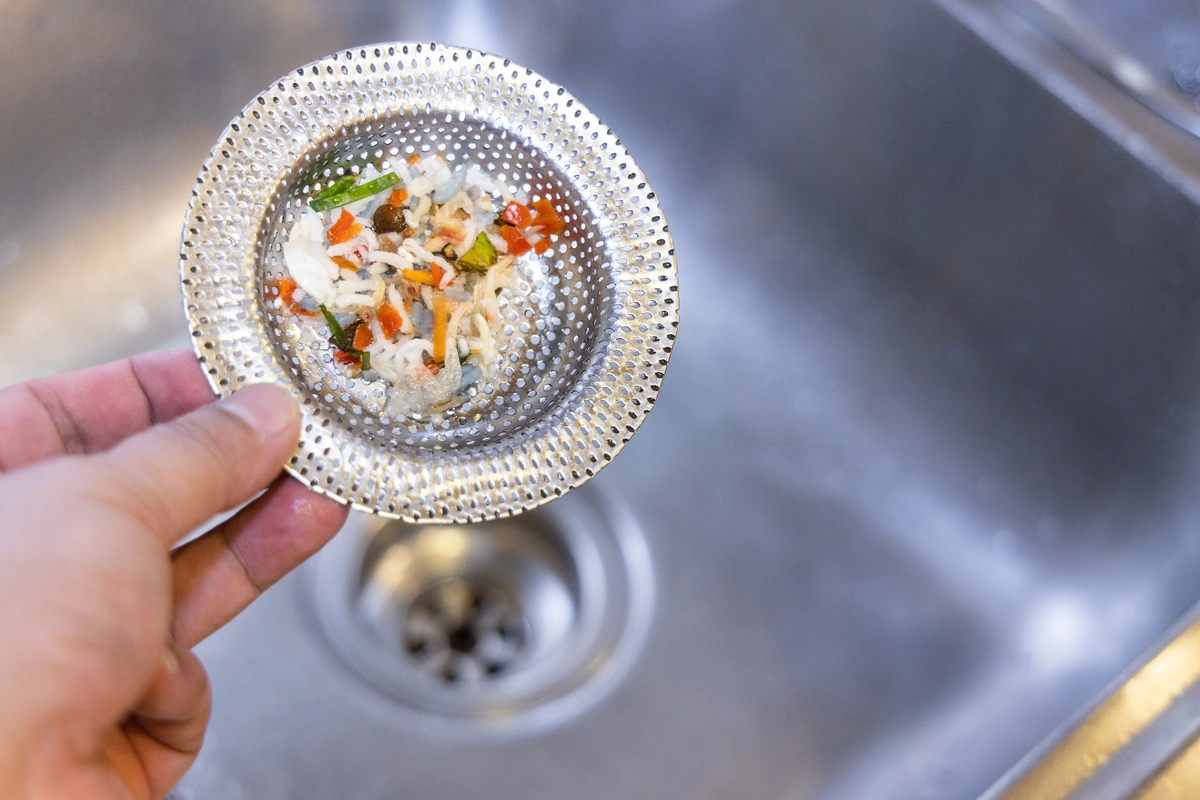
Install drain strainers in your sinks and tubs to catch debris and prevent it from going down the drain. You should also empty the strainers regularly to ensure they remain effective.
3. Hot Water Flush
Once a week, pour boiling water down your drains to keep them clear. This helps prevent the buildup of soap scum, grease, and other debris.
4. Stagnant Water Prevention
If you have infrequently used drains (e.g., in a spare bathroom), periodically run water through them to prevent stagnant water. Otherwise, stagnant water can lead to unpleasant odors and the accumulation of debris.
5. Avoid Harsh Chemicals
Refrain from using harsh chemical drain cleaners, as they can damage pipes and worsen odors. Also, opt for eco-friendly and plumbing-safe alternatives.
By incorporating these preventive measures into your routine, you can keep your drains flowing smoothly and reduce the likelihood of encountering deep clogs.
Free Your Clogged Drains!
Dealing with deep drain clogs can be a challenging task, but armed with the right knowledge and techniques, you can effectively clear them yourself. However, if your efforts prove futile or you suspect a more significant plumbing issue, don’t hesitate to call a professional plumber. Regular maintenance and preventive measures can also help keep your drains clog-free in the future. Remember, a smoothly flowing plumbing system contributes to a happier and more comfortable home.
Contact our plumbing experts at AJ Alberts today and experience top-notch work from reliable plumbers. Let’s make the water in your home safer, cleaner, and tastier!