
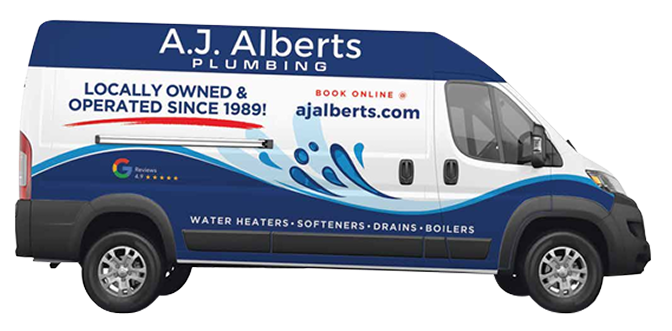
When you need plumbing services, trust the experts at AJ Alberts Plumbing & Water Conditioning . Our technicians have the skills, knowledge, and tools to fix most general plumbing service problems on the spot. Including burst pipes, water heaters, sewer lines, fixtures, and common bathroom and kitchen plumbing.
What you get from AJ Alberts Plumbing & Water Conditioning:
A water softener functions to remove minerals, like calcium and magnesium, from a home’s water supply that create what is called “hard water.” Hard water can cause all sorts of issues throughout a home and its plumbing system. Therefore, it’s important to know if your water softener is working properly or not. Signs your water softener isn’t working properly and likely is in need of repair are:
If you realize that your scalp and skin feel more dry than normal throughout the day, it could be because the water flowing through your showerhead is “hard water.” This indicates that your water softener isn’t working properly and should be looked at by a professional technician.
Faded laundry can also be a sign that your water softener needs to be repaired. If after you have washed your laundry the colors have faded, it could be due to hard water flowing through your pipes.
In the event that scale builds up in your pipes, the water that flows through those pipes will leave a chalky and gray appearance on your dishes or your other appliances. Scale buildup is often the result of a malfunctioning water softener.
If you notice you are using more shampoo and soap in the shower than you normally do, your water softener may be to blame. Hard water makes it more difficult to lather shampoo and soap, causing you to use more of it in the shower.
Another sign that something might be wrong with your water softener is if your plumbing system has weak water pressure. If your water softener isn’t working properly it will allow hard water to flow through your home’s pipes, which can have adverse effects on your plumbing system, affecting its water pressure.
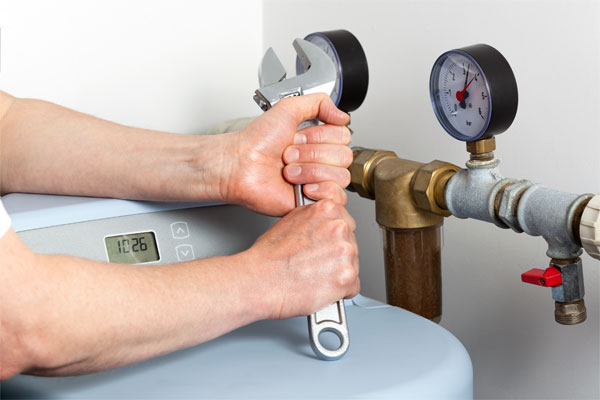
Regardless of your home plumbing issue at hand, AJ Alberts Plumbing & Water Conditioning expert technicians will determine your needs before any work is done, so you can make the best decision possible for your family and your Twin Cities, MN home.
AJ Alberts Plumbing & Water Conditioning offers a full line of installation, maintenance, and repair that your home’s plumbing may require, no matter the problem or time of year. You can count on our trusted professionals for their exceptional service and quality craftsmanship. AJ Alberts Plumbing & Water Conditioning is proudly and professionally serving the Twin Cities, MN area.
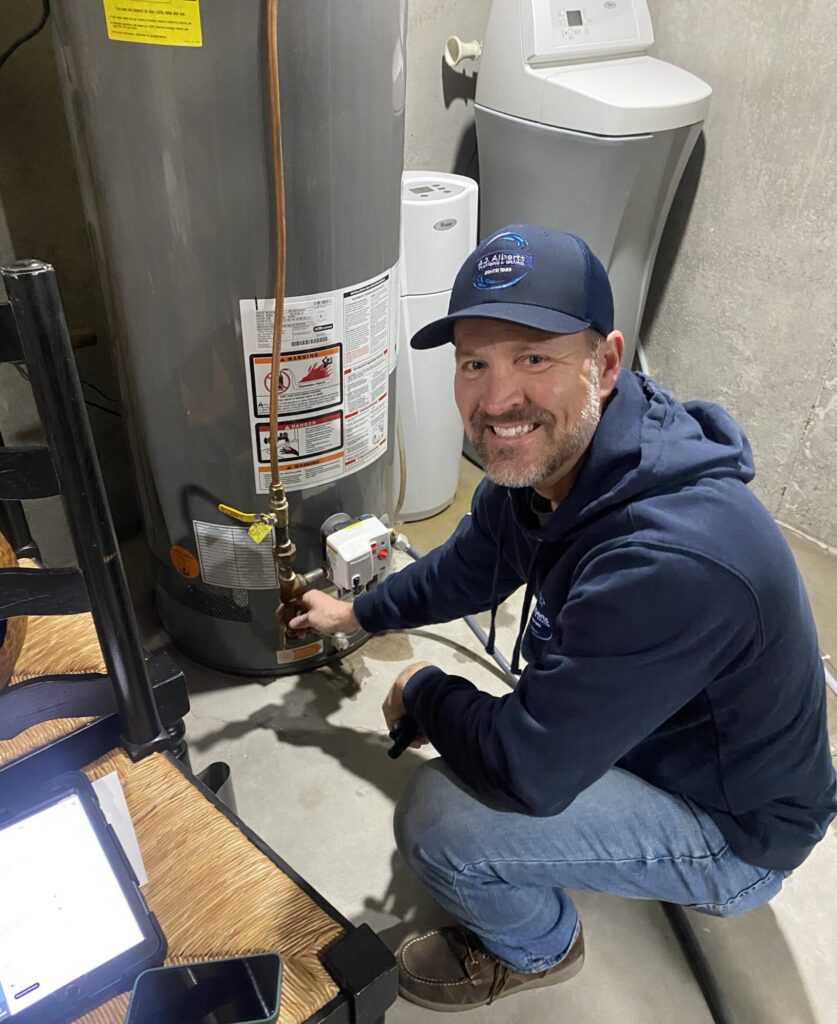
The type of repair required to fix your water softener, depends on what the diagnosed problem is with the unit. Regardless of the problem at hand, AJ Alberts Plumbing & Water Conditioning has the technicians with the capability and expertise to repair your home’s water softener.
The average life expectancy for a water softener is 10 to 15 years. Once your water softener passes ten years old and begins to need more frequent repairs, a replacement unit should begin to be considered.
Most water softener manufacturers recommend that their units be serviced at least once a year. Call AJ Alberts Plumbing & Water Conditioning to schedule an appointment with one of our technicians for any service your home’s water softener might need.
Common issues that can arise with water softeners include clogged filters, broken brine tanks, faulty valves and seals, and worn out motor bearings. Additionally, mineral deposits may build up on components over time and reduce efficiency of the system.
The cost of repairs will depend on the nature of the problem as well as any parts that need to be replaced or repaired. It’s always best to consult a professional for an accurate estimate before any work begins.
If your water softener isn’t functioning properly, you should reach out to a qualified repair technician right away. They will be able to inspect the system and diagnose any potential issues in order to provide an accurate repair plan. It’s important that you take action as soon as possible to ensure that the problem doesn’t worsen and cause further damage.