Do you find that your water leaves your skin feeling dry and your appliances covered in limescale? If so, it might be time to consider water softening. Hard water can be a real nuisance, but fear not! In this blog post, we’re going to dive into the world of water softening, explaining the process, why it’s beneficial, and how you can enjoy the perks of soft water in your home.
So, let’s get started on this journey to smoother, gentler H2O!
What we’ll share with you in this blog:
- Breaking down the water softening process
- Benefits of having softened water in your home
- 8 actionable steps to effectively installing a water softener
Keep reading to learn all about how to soften water and reap its benefits in your own home!
What Is Hard Water, Anyway? 🤔
Before we delve into water softening, let’s understand what hard water is and why it can be a problem:
- Hard Water: Hard water is water that contains a high concentration of minerals, primarily calcium and magnesium ions. These minerals are naturally present in groundwater and surface water sources.
- Issues with Hard Water: While not harmful to your health, hard water can wreak havoc on your plumbing, appliances, and even your skin and hair. It can lead to limescale buildup, reduced soap effectiveness, and a drying effect on your skin and hair.
The Water Softening Process 💡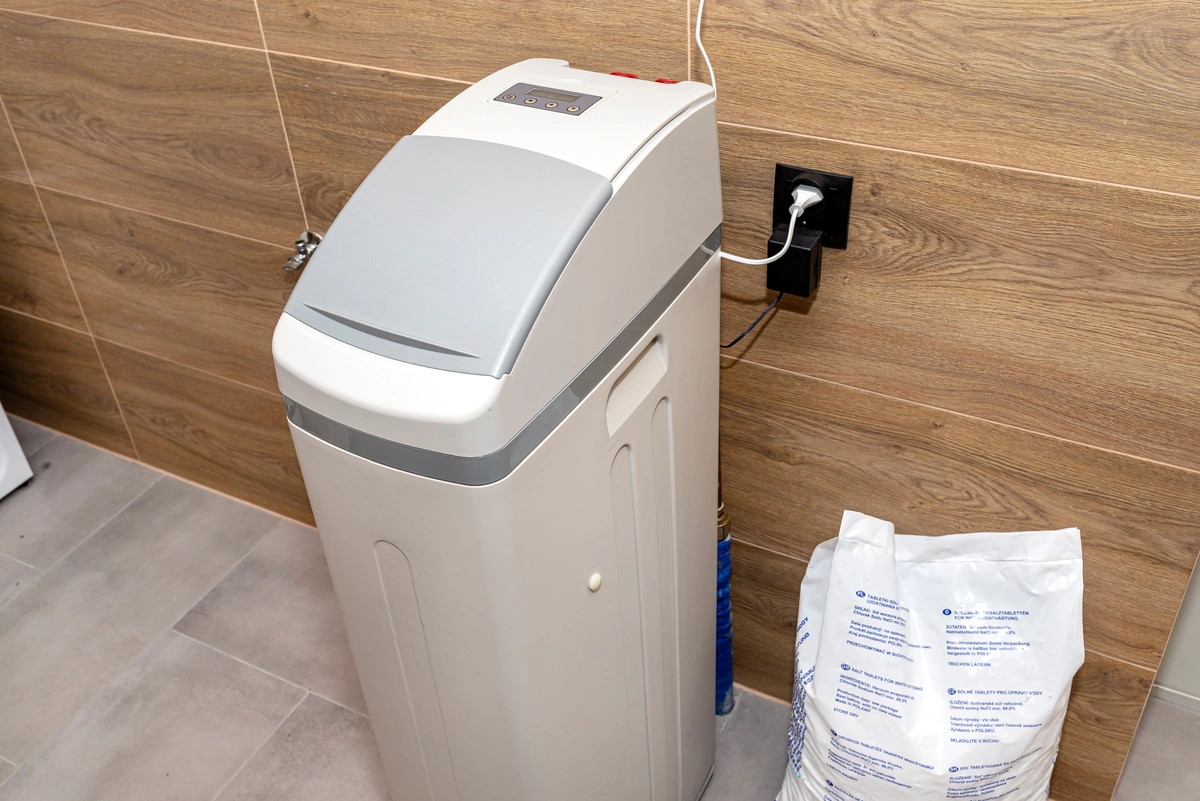
Water softening relies on a process called ion exchange, which effectively transforms hard water into its softer counterpart. At the core of this process lies the resin tank, housing minuscule resin beads coated with sodium ions. As the hard water courses through the resin tank, the calcium and magnesium ions present in the water are irresistibly drawn to the resin beads. In return, the sodium ions adhering to the beads are released into the water, fundamentally altering its composition.
The outcome of this intricate dance of ions is the emergence of softened water. As it exits the resin tank, the water now carries sodium ions instead of the calcium and magnesium ions that made it hard in the first place. This new softness in the water brings a ton of benefits for your home and daily life, from cleaner dishes to more efficient appliances.
But as time passes, the resin beads accumulate an ever-growing load of calcium and magnesium ions. When this saturation point is reached, a process called regeneration becomes necessary. During regeneration, a concentrated saltwater solution, known as brine, is flushed through the resin tank. This brine solution displaces the calcium and magnesium ions adhering to the resin beads, effectively purging them. In their place, the resin beads are replenished with sodium ions, ready once again to perform their water-softening magic.
One final step completes this process: Drainage. The wastewater generated during the regeneration process is drained away, ensuring that the resin beads are pristine and prepared to continue their mission of softening your water. This efficient cycle keeps your water softener in working order, ensuring a constant supply of softened water for your household needs.
The Benefits of Softened Water 🌟
Now that you know how water softening works, let’s explore the fantastic benefits of enjoying soft water in your home:
- Appliance Longevity: Soft water helps extend the life of your appliances, such as dishwashers and washing machines, by preventing limescale buildup.
- Cleaner Dishes and Laundry: Soft water improves the cleaning power of detergents, resulting in cleaner dishes, brighter laundry, and less soap scum residue.
- Smoother Skin and Hair: Soft water is gentler on your skin and hair, leaving them feeling soft and moisturized instead of dry and irritated.
- Reduced Plumbing Maintenance: With no mineral buildup, your pipes and plumbing fixtures will require less maintenance and have a longer lifespan.
- Energy Efficiency: Soft water allows water heaters to operate more efficiently, as they are not hampered by limescale buildup.
How to Install a Water Softener 🛠️
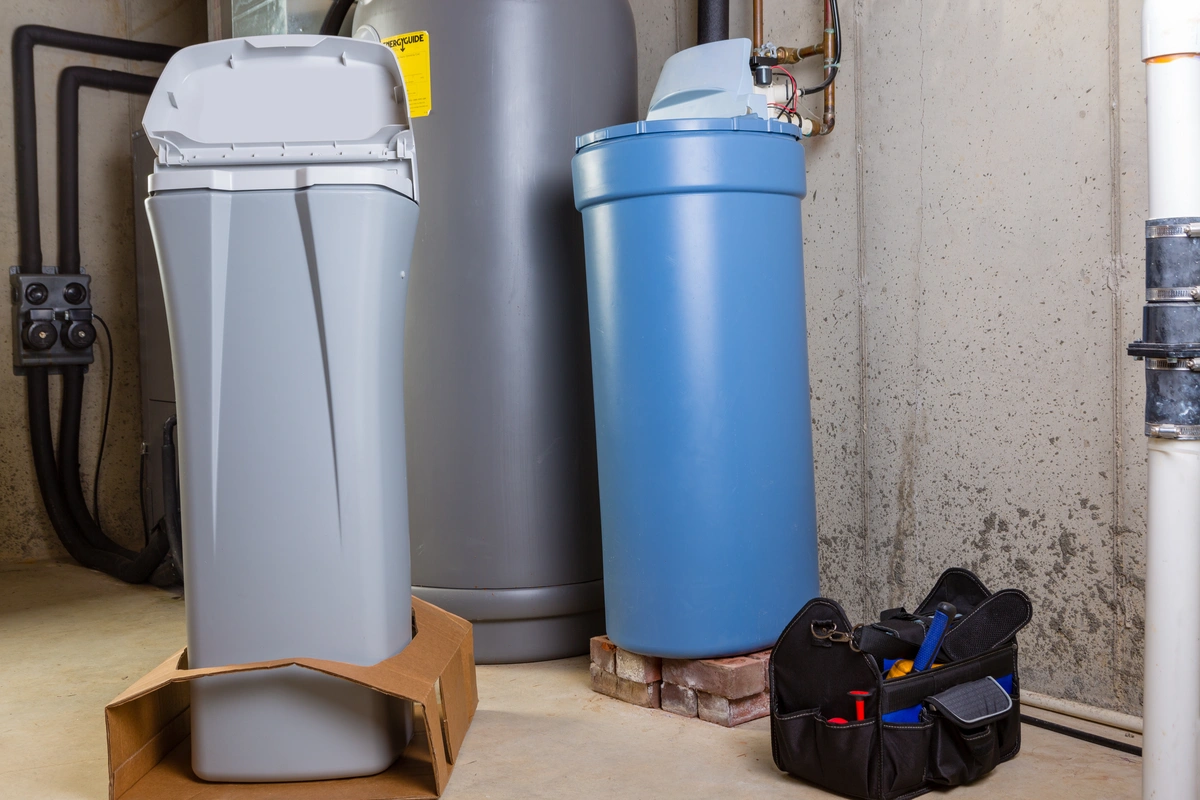
If you’re ready to enjoy the benefits of softened water in your home, you can choose between professional installation and a DIY approach. Here’s a general guide for DIY installation that includes 8 easy-to-follow steps.
1. Choose the Right Location
Find a suitable location near the main water supply where you can install the water softener.
2. Prepare for Plumbing
Shut off the water supply, and then cut the main water line. Install a bypass valve to divert water around the softener during maintenance.
3. Install the Softener
Follow the manufacturer’s instructions to install the water softener unit. Connect the inlet and outlet pipes, and ensure proper sealing with plumber’s tape.
4. Add Salt
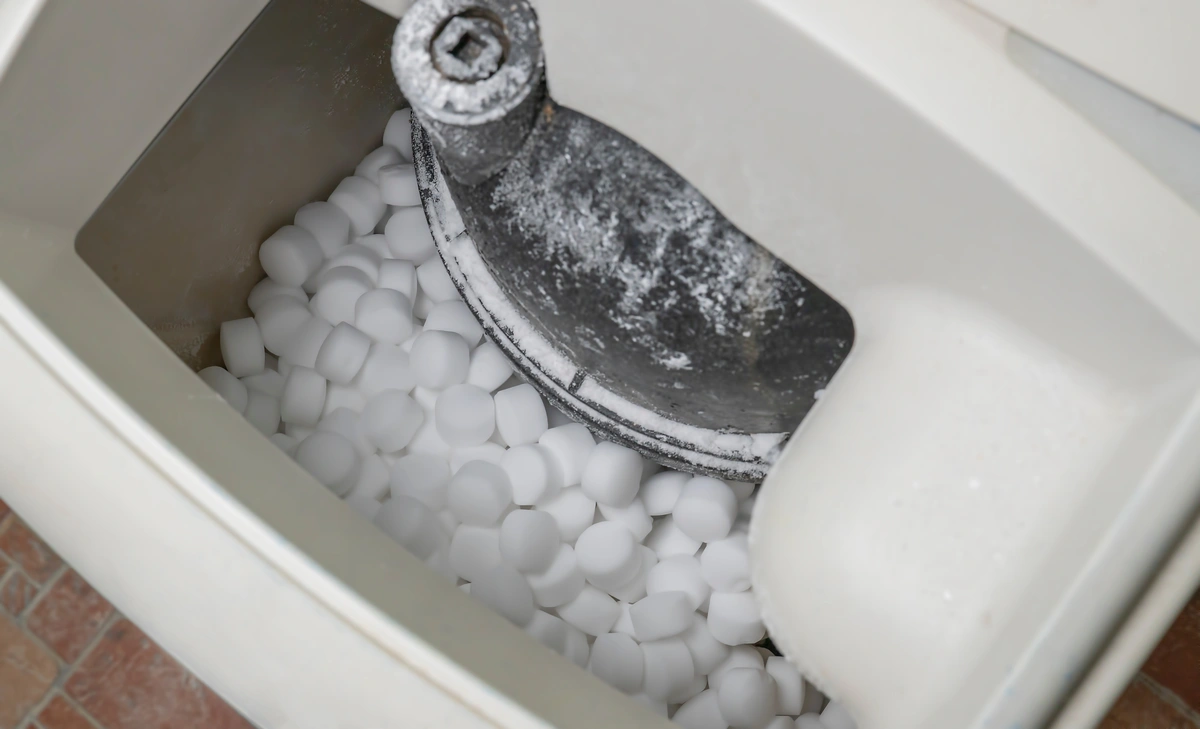
Fill the brine tank with salt (usually sodium chloride or potassium chloride). Be sure to follow the manufacturer’s recommendations for the type and amount of salt to use.
5. Connect the Drain Line
Attach the drain line from the softener to a nearby drain or a dedicated drain pipe, following local plumbing codes.
6. Initial Regeneration
Initiate the first regeneration cycle as per the manufacturer’s instructions. This ensures the resin beads are properly charged with sodium ions.
7. Check for Leaks
Inspect all connections and valves for leaks. Tighten any loose fittings as needed.
8. Set the Timer
Adjust the regeneration timer based on your water usage and the softener’s capacity.
Maintenance Tips for Your Water Softener 🧰
Once your water softener is up and running, regular maintenance will help keep it in optimal condition.
Here’s a quick maintenance checklist:
- Check Salt Levels: Monitor the salt level in the brine tank regularly and refill it when it’s running low.
- Clean the Brine Tank: Periodically clean the brine tank to remove any salt bridges or mushing that may form.
- Inspect the Resin Tank: Check the resin tank for signs of damage or leaks and replace the resin beads as recommended by the manufacturer.
- Adjust Regeneration Frequency: Adjust the regeneration cycle frequency based on your water usage to ensure efficient operation.
- Test Water Hardness: Periodically test your water’s hardness to verify that the softener is working correctly.
- Flush the Resin Tank: Flush the resin tank with a resin cleaner if you notice a drop in water softening effectiveness.
Enjoy the Benefits of Softer Water 🚿
Learning how to soften water is a game-changer for your home, offering a multitude of benefits, from cleaner dishes and softer laundry to smoother skin and more efficient appliances. Understanding the water softening process and how to maintain your water softener will ensure that you continue to enjoy these advantages for years to come.
So, bid adieu to limescale woes and embrace the luxury of soft water in your daily life. Whether you choose a professional installation or a DIY approach, the rewards of water softening are well worth the effort. Dive in and start experiencing the wonders of soft water today!
Get in touch with the friendly and expert plumbers at AJ Alberts today. We’re happy to answer any questions about water softening in your home–our goal is to make plumbing easy for you!