
Wondering, “Should there be water in my sump pump pit?” It’s a common question, especially if you’ve recently moved into a house with a sump pump or you’re experiencing some wet basement issues. In this blog post, we’re going to break down everything you need to know about the water in your sump pump pit, what’s normal, and when you should be concerned.
What we’re sharing in this blog:
- Definition + importance of a sump pump
- How to troubleshoot water levels
- When to call in the pros for help
Keep reading to become an expert on all-things-sump-pumps!
What Is a Sump Pump Pit, and Why Is It Important? 🕳️
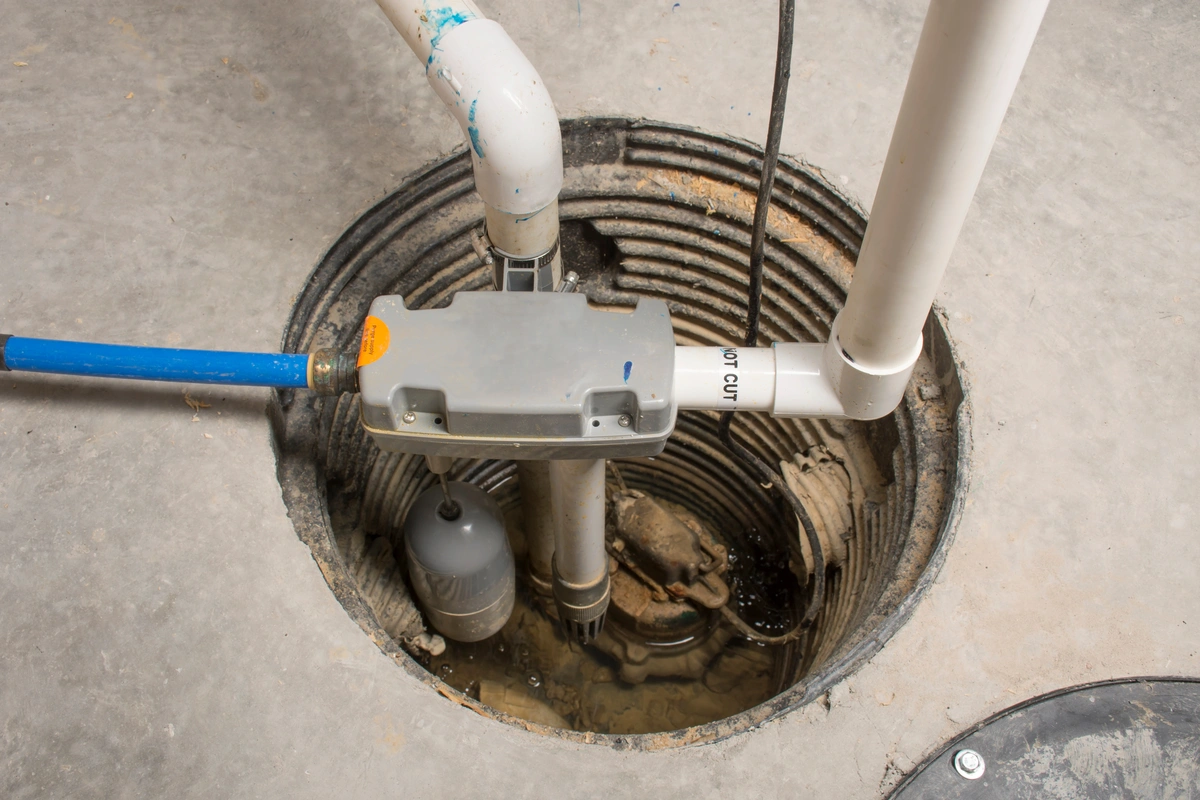
Let’s start by familiarizing ourselves with the concept of a sump pump pit and its significance in residential settings. A sump pump pit is essentially a small, dug-out cavity or basin strategically positioned in the lowest section of your basement or crawl space. This pit serves a pivotal purpose: the collection and management of excess groundwater to shield your home from potential basement flooding.
These unassuming pits hold immense importance, particularly in regions prone to heavy precipitation, high water tables, or snowmelt. Think of them as the foundation of your sump pump system. Their role is to intercept and collect incoming water, providing a safeguard against moisture seeping into your basement and potentially causing damage. In essence, sump pump pits are your first line of defense in the battle against unwanted water intrusion.
Should There Be Water in Your Sump Pump Pit? 💦
Now, the big question: should there be water in your sump pump pit? The answer is not a straightforward “yes” or “no.” It depends on various factors and situations:
1. Normal Water Levels 🌧️
It’s entirely normal for your sump pump pit to contain water during and after heavy rainfalls or snowmelt. This water should be clear and free of debris. Also, your sump pump will cycle on and off as needed to pump out the collected water. Some water in the pit is expected during this process.
2. Abnormal Water Levels 🚨
On the flip side, there are instances when you should be concerned about the water levels in your sump pump pit:
- Continuous High Water: If your sump pump pit always has a high water level, even in dry weather, it could indicate a problem. This may be due to groundwater infiltration or a malfunctioning sump pump.
- Foul Odors: If you notice foul odors emanating from the sump pit, it could be a sign of stagnant water or a malfunctioning pump.
- Debris and Sediment: Excessive debris, dirt, or sediment in the sump pit can impede the pump’s operation and should be addressed.
Troubleshooting High Water Levels 🛠️
If you’re concerned about continuously high water levels in your sump pump pit, here’s a step-by-step troubleshooting guide to help you pinpoint and address the issue:
1. Check for Blockages or Clogs 🔍
- Inspect the sump pump intake screen and discharge pipe for any blockages or clogs that may be restricting water flow.
2. Examine the Float Switch 🎚️
- Ensure that the float switch, which activates the sump pump, moves freely without any obstructions. Adjust it if necessary according to the manufacturer’s instructions.
3. Test the Pump 🔄
- Safely unplug the sump pump or turn off its power source and manually test it by pouring water into the pit. Observe if the pump activates and removes the water as it should.
4. Inspect for Leaks 💧
- Check for leaks in the sump pump and discharge pipe connections. Replace damaged seals or gaskets as needed.
5. Evaluate the Sump Pit 🔎
- Assess the sump pit itself for any cracks or damage that could allow groundwater to seep in. Repair or replace the pit if necessary.
6. Address Exterior Drainage 🏞️
- Examine your home’s exterior drainage system, including gutters and downspouts, to ensure they are directing water away from your foundation. Proper exterior drainage can reduce the workload on your sump pump.
When to Call a Professional 📞
While some troubleshooting can be done by homeowners, there are instances when it’s best to call a professional sump pump technician:
- Frequent High Water: If your sump pump pit constantly has high water levels despite your efforts to address the issue, it may be a sign of a more significant problem that requires professional assessment.
- Strange Noises: Unusual noises coming from your sump pump, such as grinding or clunking sounds, may indicate internal damage that needs professional repair.
- Persistent Odors: Persistent foul odors in or around the sump pit could be a sign of stagnant water or bacterial growth, which should be addressed professionally.
- Sump Pump Age: If your sump pump is old and nearing the end of its lifespan (typically 10-15 years), it’s a good idea to have it inspected or replaced by a professional.
Preventive Maintenance for Your Sump Pump 🛠️
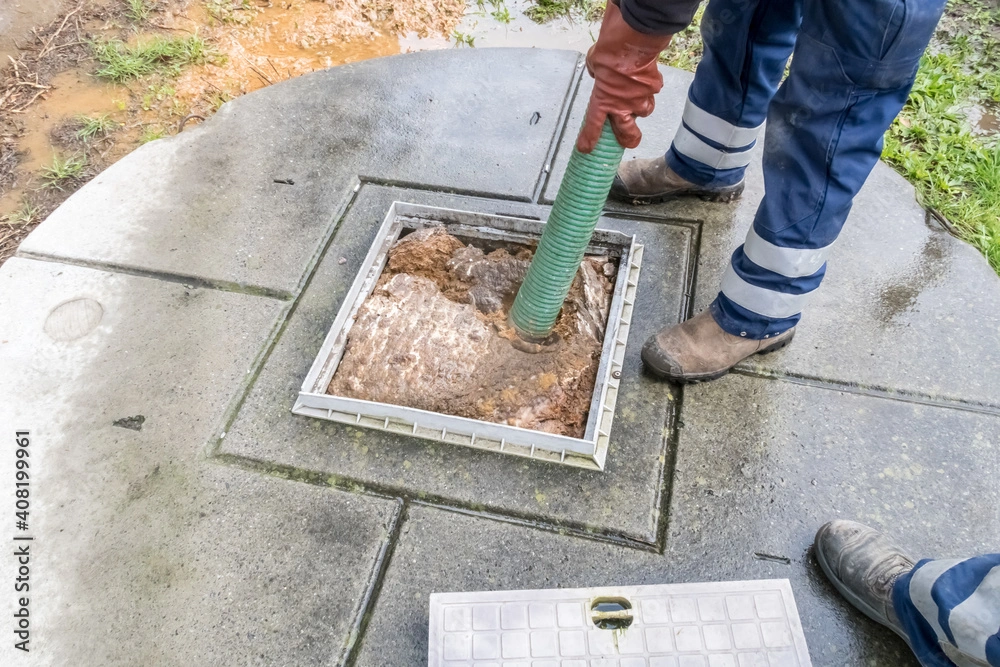
To avoid sump pump issues and maintain a dry basement, consider implementing these preventive maintenance measures:
- Regular Testing: Test your sump pump periodically by pouring water into the pit to ensure it activates and pumps water out correctly.
- Clean the Sump Pit: Remove debris, dirt, and sediment from the sump pit to prevent clogs and pump strain.
- Install a Battery Backup: In case of power outages, a battery backup system ensures your sump pump continues functioning.
- Replace Aging Pumps: If your sump pump is getting old, consider replacing it before it fails during a heavy rainstorm.
- Inspect Exterior Drainage: Make sure gutters and downspouts are directing water away from your home’s foundation to reduce the workload on your sump pump.
Sump Pump Pits and Water Levels Demystified
The presence of water in your sump pump pit can be entirely normal, especially during wet seasons. However, continuously high water levels, foul odors, or other unusual signs should be cause for concern and investigation. Troubleshooting sump pump issues can often be done by homeowners, but don’t hesitate to call in a professional when needed.
By understanding the basics of the question, “Should there be water in my sump pump pit?” and performing regular maintenance, you can ensure your sump pump operates efficiently, keeping your basement dry and your home protected. So, embrace your inner DIY-er and stay informed about your sump pump—it’s your first line of defense against unwanted water intrusion!
Contact our expert plumbers at AJ Alberts today to ask any questions or tell us your concerns about the sump pump pit in your home. We provide diagnosis and service with a 100% satisfaction guarantee.