Drains
Garbage Disposal Dos and Don'ts for East Metro Homeowners
What you can and cannot put down your garbage disposal in the Twin Cities East Metro, plus how to prevent costly drain and sewer clogs. Call 651-738-0580.
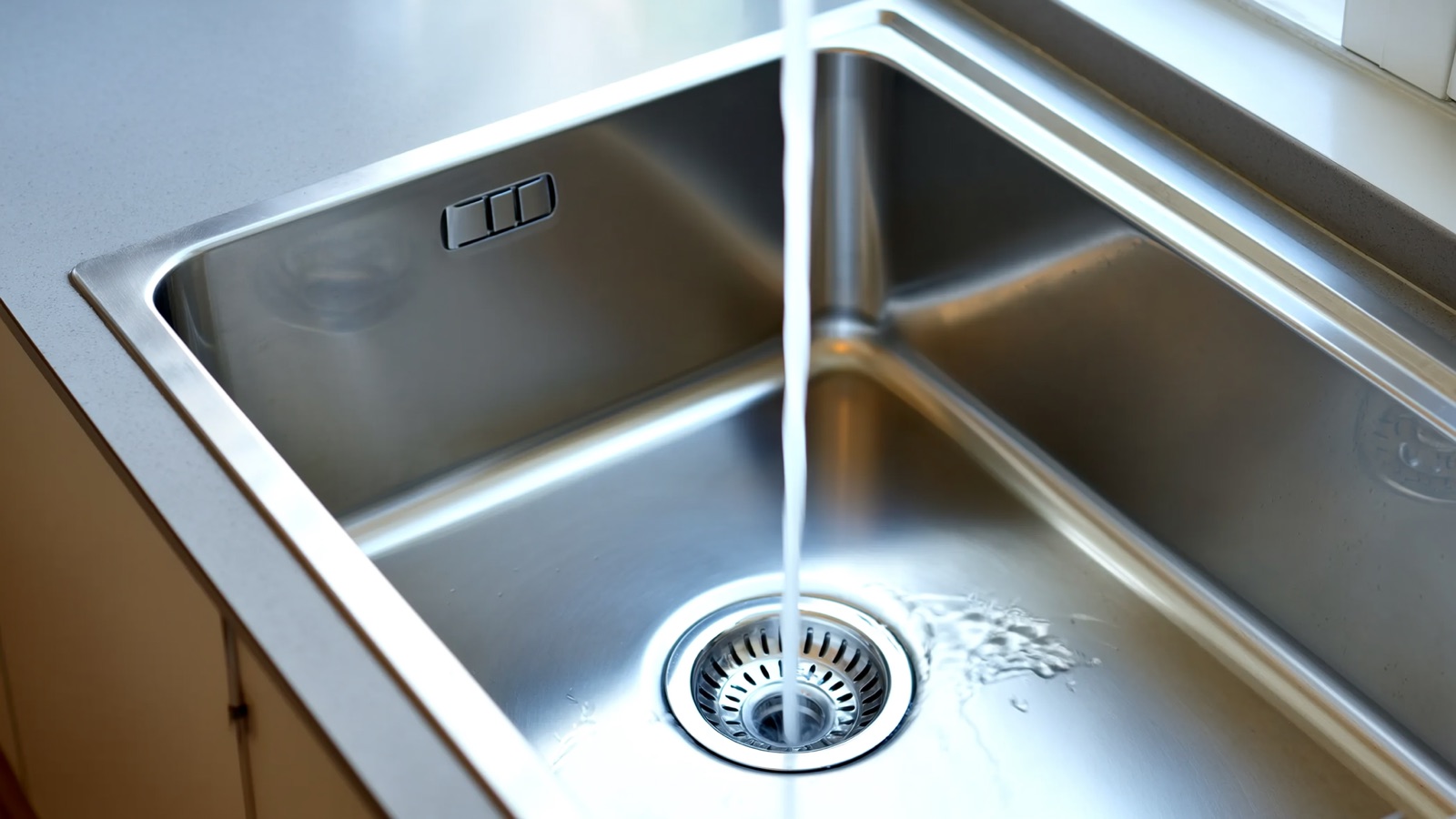
A garbage disposal is built to handle small amounts of soft food scraps rinsed off a plate, nothing more. Keep grease, fibrous vegetables, starchy foods, coffee grounds, eggshells, and bones out of it, always run cold water before, during, and after you use it, and never treat it as a trash can. Do those three things and a disposal in a Twin Cities home will run cleanly for a decade or more instead of becoming your next clogged drain call.
The garbage disposal is one of the most misunderstood appliances in a Woodbury or Stillwater kitchen. People treat it like a bottomless pit that can grind anything, then wonder why the sink backs up two weeks later. As a plumbing and drain company that has been serving the East Metro since 1989, we pull the same handful of items out of clogged kitchen lines over and over. Almost every one of those clogs was preventable. Here is exactly how a disposal works, what belongs in it, what never does, and how to keep your kitchen drain flowing.
How does a garbage disposal actually work?
Most people picture a set of spinning blades, like a blender under the sink. That is wrong, and it changes how you should use the unit. A disposal has no blades at all. A motor spins a plate with blunt metal lugs called impellers, and centrifugal force throws the food outward against a stationary ring with grinding teeth. That grind ring shreds the waste into fine particles, and running water flushes those particles through the ring and into your drain line. From there it heads to the regional treatment plant, or to a septic tank if you are on a private system.
Two things follow from this. First, because there are no blades, nothing you feed the disposal will ever sharpen it. The old advice about grinding ice or eggshells to keep it sharp is a myth. Second, the disposal only grinds. It does not dissolve grease, and it cannot fix anything that reforms into a clog after it passes through the grind ring. The real trouble almost always happens downstream, in the pipe you cannot see.
What should never go down a garbage disposal?
This is the list that saves you a service call. These items either wrap around the moving parts, jam the grind ring, or, most commonly, pass through the disposal and then build into a clog in the drain line.
| Never put down the disposal | Why it causes problems |
|---|---|
| Grease, fats, cooking oil, bacon drippings | Congeals as it cools and coats the pipe walls, the single most common cause of kitchen clogs |
| Coffee grounds | Pack into a dense, wet paste that layers up in the trap and drain line |
| Eggshells | The thin membrane wraps the impeller shaft, and the shell grit behaves like coffee grounds downstream |
| Rice, pasta, oatmeal, other starches | Absorb water and swell into a glue-like mush that gums up the unit and the pipe |
| Fibrous vegetables (celery, corn husks, asparagus, artichokes, onion skins) | Stringy fibers tangle around the impellers and can stall the motor |
| Potato peels | Turn into a starchy paste that sticks to everything |
| Bones, fruit pits, nut shells | Too hard to grind, they bounce and can jam or damage the unit |
| Non-food items, produce stickers, twist ties | Never belong in a drain, and cause instant jams |
Grease deserves its own warning. Fats, oils, and grease, what the industry calls FOG, are the number one enemy of both your home drain and the public sewer. When you pour warm bacon grease down the sink it looks harmless as a liquid, then it cools inside your pipe and hardens into a waxy layer that narrows the line a little more with every meal. This is not just a homeowner problem. The Metropolitan Council, which runs wastewater treatment for the seven-county metro, convened a regional FOG task force with cities including Eagan, Hastings, and Saint Paul because grease buildup causes sewer backups and overflows across the region. The fix at home is simple: let grease cool, scrape it into a can or the trash, and wipe greasy pans with a paper towel before rinsing.
What can you safely put down a garbage disposal?
A disposal is meant for the small, soft scraps left on a plate after you have already scraped the bulk of the food into the trash or compost. Safe items include soft food leftovers, small bits of cooked vegetables, soft fruit without pits, and the rinse residue from dishes. The keyword is small. Feed it a little at a time with the cold water running, and let it finish grinding before you add more or shut it off.
Think of the disposal as a backup for the last few bites, not as the primary way you get rid of food waste. The more you scrape into the trash or a compost bin first, the longer your unit lasts and the cleaner your kitchen drain line stays.
Hot or cold water: which one should you run?
Cold, every time. This is the rule people get backwards most often. Run cold water for a few seconds before you turn the disposal on, keep it running the whole time you grind, and let it run for about 15 seconds after to flush the line clear. Cold water keeps any trace of fat in a solid state so the disposal can grind it into particles and carry it away. Hot water does the opposite: it melts grease into a liquid that flows a few feet down the pipe, cools, and hardens where you cannot reach it. If there is one habit to build, it is cold water before, during, and after.
How does hard water affect your disposal and drain?
Hardness can contribute to mineral deposits, but it does not explain every drain problem. Do not assume a local hardness average applies to your tap or that a softener will prevent food and grease clogs.
Assess a slow drain as a plumbing issue. If scale is a separate concern, a basic water test can help you evaluate hardness and whether softening is worth considering.
When does a garbage disposal need repair or replacement?
Most garbage disposal repair calls are one of four things. A hum with no grinding means the impeller plate is jammed: turn the unit off at the switch and the breaker, remove whatever is caught, and turn the plate free with the hex key that fits the socket on the bottom of the unit, then press the red reset button. A dead unit that does nothing usually needs the reset button pressed, or has tripped its breaker, or has a failed switch or cord; if the reset does not bring it back, the motor is the question. A leak tells you where it is coming from: a drip at the sink flange or the drain connection is a repair, and a drip from the bottom of the housing means the internal seal has failed and water is in the motor, which is a replacement. Poor grinding or constant jamming on a unit that used to work is a worn grind ring or impellers, and on a unit past ten years it is a replacement.
A.J. Alberts plumbers repair and replace disposals as part of everyday plumbing work; see the plumbing services page. A replacement includes the new unit, the mounting assembly, the drain and dishwasher connections, and a check of the trap and the drain line below it, because a disposal that jammed for months often left a clog behind. Compare the diagnosed problem, condition, parts availability, and repair or replacement cost.
| Situation | Usually a repair | Usually a replacement |
|---|---|---|
| Age | Under 8 years | Over 10 years |
| Leaking | From a fitting or hose | From the bottom shell of the unit |
| Jams | Occasional, clears easily | Constant, needs frequent resets |
| Grinding | Still grinds well | Grinds poorly even after clearing a jam |
| Smell | Clears with cleaning | Lingers no matter what you do |
A leak from the bottom of the housing is the clearest replacement signal, because it means the internal seal has failed and water is getting into the motor. When a unit is past 10 years and showing more than one of these signs, replacing it costs less over time than paying for repeat repairs on a worn-out motor.
What about septic systems in Western Wisconsin and the rural East Metro?
If your home is on a private septic system, which is common out toward Hudson and River Falls and in the more rural parts of Washington County, use the disposal sparingly. Every bit of ground food adds solid organic load to your tank, which fills it faster and can mean more frequent pumping. Many septic homeowners keep a compost bin for food scraps and reserve the disposal for the small rinse residue only. If you do rely on one, have your tank inspected and pumped on schedule so the extra load does not shorten the life of your drain field.
Simple habits that keep a disposal healthy
None of this is complicated. Run cold water before, during, and after. Feed it small amounts and let it finish before adding more. Keep grease, coffee grounds, eggshells, fibrous vegetables, and starches out of it entirely. Grind a few ice cubes now and then to knock loose buildup, and drop in a cut lemon to freshen it. Do those things and you rarely think about your disposal at all, which is exactly the point.
The Bottom Line
A garbage disposal handles small scraps according to its manufacturer instructions. Keep unsuitable material out of the drain and have recurring clogs diagnosed instead of assuming water treatment will solve them.
If your sink is already backing up or draining slowly, do not keep running the disposal and hoping it clears. That usually pushes the clog deeper. AJ Alberts Plumbing & Water Conditioning has been keeping East Metro drains clear since 1989, fully licensed and insured in Minnesota (PC150039) and Wisconsin, with honest written pricing and zero commissioned salespeople. We also offer a maintenance plan that catches drain and water problems before they turn into emergencies.
For a clogged kitchen drain, a worn-out disposal, or a free water test, call AJ Alberts at 651-738-0580.
Sources and Further Reading
- Metropolitan Council: Fats, Oils and Grease task force
- City of Minneapolis: Fats, Oils and Grease in Pipes
- InSinkErator: How a Garbage Disposal Works
Water-treatment reference: MDH, home water softening.
Frequently Asked Questions
What should you never put down a garbage disposal?
Should I run hot or cold water with my garbage disposal?
Do coffee grounds and eggshells sharpen garbage disposal blades?
How long does a garbage disposal last?
Can I use a garbage disposal if I have a septic system?
Does a garbage disposal help with hard water buildup?
Related services
Need Help in the Twin Cities?
Free in-home water test. Written upfront pricing. Lifetime craftsmanship warranty.