Plumbing
Summer-Ready Plumbing: Outdoor Spigots and Twin Cities Water Use
Get your East Metro outdoor spigots, hoses, and summer water use ready with frost-free faucet and backflow tips from a Woodbury plumber. Call 651-738-0580.
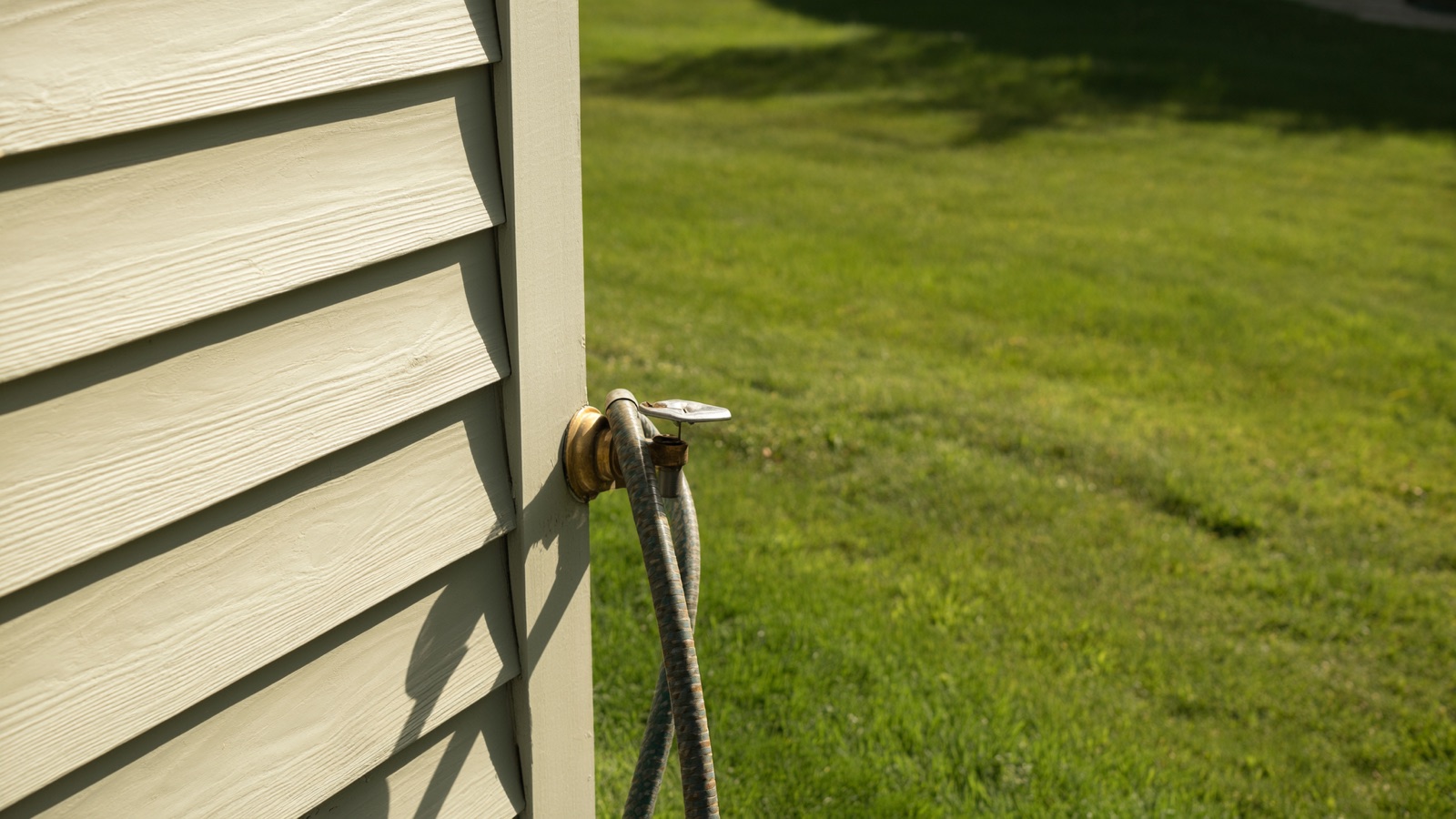
Summer is when outdoor plumbing problems surface in the Twin Cities. The big three are outdoor faucet leaks from hidden winter freeze damage, backflow and irrigation issues that turn up at spring startup, and the jump in water use that makes any small leak expensive. A quick inspection of your spigots, hoses, and irrigation backflow device in early summer catches almost all of it before it becomes a flooded wall or a runaway water bill.
When the snow is gone and the hoses come out, most East Metro homeowners assume the plumbing season is over. It is not. At AJ Alberts we see a steady run of outdoor faucet failures and irrigation problems from June through August, and nearly all of them trace back to the winter that just ended or to hardware that was never set up right. Here is what to check, what the code actually requires, and where the real money leaks out in summer.
Why does my outdoor faucet leak in summer when it was fine all winter?
This is the single most common summer call we get, and the answer surprises people. The damage happened last winter, but it stayed hidden until now.
If a garden hose was left connected over winter, or if an older standard hose bib was not drained, water gets trapped inside the faucet stem. When the temperature drops below freezing, that water expands by roughly nine percent and generates enormous pressure inside the pipe. The pipe or valve body cracks. But a crack does not leak when the water is shut off. It only leaks once full pressure is restored, which is exactly what happens the first warm day you reconnect the hose and turn the spigot on.
That is why a faucet that looked perfectly fine in February starts dripping, or worse, sends water down inside the wall and into the basement, in June. The classic warning signs are a wet spot on the basement wall or ceiling near where the spigot enters the house, low pressure at the outdoor faucet, or water weeping from the stem when the hose is running.
If you see any of that, shut the water off and call us. Catching it early is the difference between a faucet swap and drywall and joist repair. Our plumbing repair team handles these every week through the summer.
Standard vs frost-free hose bibs
If your home still has an old-style hose bib, this is the upgrade that matters most. A standard spigot holds its shut-off valve right at the outside wall, so any water behind it sits in the cold. A frost-free (also called frost-proof) hose bib moves the shut-off valve six to twelve inches back into the heated interior of the house, and the body pitches slightly downhill so it self-drains every time you shut it off.
| Feature | Standard hose bib | Frost-free hose bib |
|---|---|---|
| Shut-off valve location | At the exterior wall, in the cold | Inside the heated wall cavity |
| Self-draining | No | Yes, drains each time you close it |
| Freeze risk in MN winters | High | Low when used correctly |
| Built-in backflow protection | Often none | Integral vacuum breaker required |
| Meets current MN code | Frequently not | Yes |
The Minnesota State Plumbing Code now requires a listed self-draining frost-proof hose bibb with an integral backflow preventer or vacuum breaker in freezing climates. Plenty of East Metro homes built before that requirement still have noncompliant standard spigots. Cities like Stillwater and parts of older Woodbury, Cottage Grove, and Maplewood have a lot of these. If yours froze and split, replacing it with the right frost-free unit brings it up to code at the same time.
One important note that trips people up: even a frost-free faucet will freeze and crack if you leave a garden hose attached over winter. The connected hose blocks the self-draining action and traps water in the stem. Disconnect every hose before the first hard freeze, which in the Twin Cities arrives around early to mid October.
Does my outdoor faucet or sprinkler system need a backflow preventer?
Yes, and this is the part homeowners almost never think about. Your garden hose connects to all sorts of things: pressure washers, chemical sprayers, a bucket of soapy water, a kiddie pool. If city water pressure drops suddenly, for example during a water main break or heavy fire-hydrant demand, water can be siphoned backward out of that hose and into your home’s drinking water plumbing. That is called backsiphonage, and backflow protection is what stops it.
For a single outdoor faucet, the code answer is the integral vacuum breaker built into a modern frost-free hose bib, or a screw-on hose-bib vacuum breaker. For a lawn irrigation system, the requirement is more serious. The Minnesota State Plumbing Code requires a backflow prevention device on every irrigation system connected to the public water supply.
| System | Typical required device | Annual testing |
|---|---|---|
| Single outdoor faucet | Hose-bib vacuum breaker | No |
| Standard lawn irrigation | Pressure vacuum breaker (PVB) or double check valve | Yes, if testable |
| Irrigation with fertilizer or chemical injection | Reduced pressure zone (RPZ) | Yes, annually |
The State of Minnesota requires all high-hazard devices, including RPZ assemblies, to be tested at installation and every year after by a certified tester, regardless of install date. Many East Metro cities also enforce this at the utility level. We are licensed for RPZ and backflow testing in both Minnesota (license PC150039) and Wisconsin, so if you run an irrigation system in Woodbury, Lake Elmo, Hudson, or anywhere in the St. Croix Valley, we can test and certify it before the city comes asking.
Where does summer water use actually go?
This is where the dollars hide. According to the EPA, the average American household sends about 30 percent of its water outdoors, and in the hot summer months that share can climb to as much as 70 percent, almost all of it for landscape irrigation. The average household actually uses more water outdoors than for showering and laundry combined during peak season.
That math is why summer is the worst time to ignore a small leak. A spigot that drips, an irrigation head that weeps, or a controller that runs at noon in a downpour quietly stacks up gallons. The EPA notes that replacing an old clock-based irrigation timer with a WaterSense labeled smart controller can cut a home’s irrigation water use by up to 30 percent, saving an average home up to 15,000 gallons a year.
Practical summer water-use checklist for East Metro homes:
- Walk the yard and check every sprinkler head for leaks, misting, or spray hitting the driveway.
- Water early morning, not midday, so less evaporates before it reaches the roots.
- Replace a basic timer with a smart controller that skips watering after rain.
- Fix any dripping outdoor faucet right away. In summer it is not just a nuisance, it is a metered cost.
How does hard water affect outdoor plumbing?
Measured hardness may be relevant to deposits on equipment. It does not diagnose every loss of pressure or recurring sprinkler problem.
Do not assume outdoor plumbing is connected to a softener or needs softened water. MDH advises softening only where needed; hose bibs commonly remain unsoftened. For an indoor scale concern, a basic water test can help you assess hardness.
Your early-summer outdoor plumbing checklist
Run through this once each June and you will head off most of the trouble we see all summer:
- Turn on each outdoor faucet and watch for leaks at the stem and inside the basement wall behind it.
- Confirm every hose-bib has a working vacuum breaker.
- Have the irrigation backflow device tested if it is a testable PVB, DCVA, or RPZ.
- Inspect and clean sprinkler heads, and check the controller’s schedule.
- Address any drip, mist, or pressure loss now, before peak-use months drive the bill up.
For the rest of the warm-season picture, including sewer and sump issues, see our companion guide to summer plumbing problems in the Twin Cities. And because most summer faucet failures start with last winter, the prevention steps in our frozen pipe prevention guide are worth a read before fall.
Sources and Further Reading
- Minnesota State Plumbing Code frost-free faucet requirement, summarized by Structure Tech Home Inspections: Frost-free faucets are now required in Minnesota
- EPA WaterSense outdoor water use statistics: How We Use Water and Outdoors
- Minnesota Department of Health, cross-connection and backflow responsibilities: High Hazard Cross Connections
The Bottom Line
Summer plumbing in the East Metro is mostly about the outdoors: faucets that froze last winter and only leak now, backflow devices the code requires, and the steep climb in water use that turns a small leak into a real cost. A short inspection in June handles nearly all of it. AJ Alberts has served Woodbury and the St. Croix Valley since 1989 with honest diagnosis, written pricing, and zero commissioned salespeople, so you get the fix you actually need and nothing you do not.
Ready to get your outdoor plumbing summer-ready or schedule a free water test? Call AJ Alberts at 651-738-0580.
Water-treatment reference: MDH, home water softening.
Frequently Asked Questions
Why is my outdoor faucet leaking now that it is summer?
Are frost-free outdoor faucets required in Minnesota?
Does my lawn irrigation system need a backflow preventer?
How much does it cost to replace an outdoor faucet in the Twin Cities?
How much of my summer water bill comes from outdoor use?
Does hard water affect my outdoor faucets and irrigation?
Related services
Need Help in the Twin Cities?
Free in-home water test. Written upfront pricing. Lifetime craftsmanship warranty.