AJ Alberts Plumbing and Water Conditioning Logo 651-738-0580
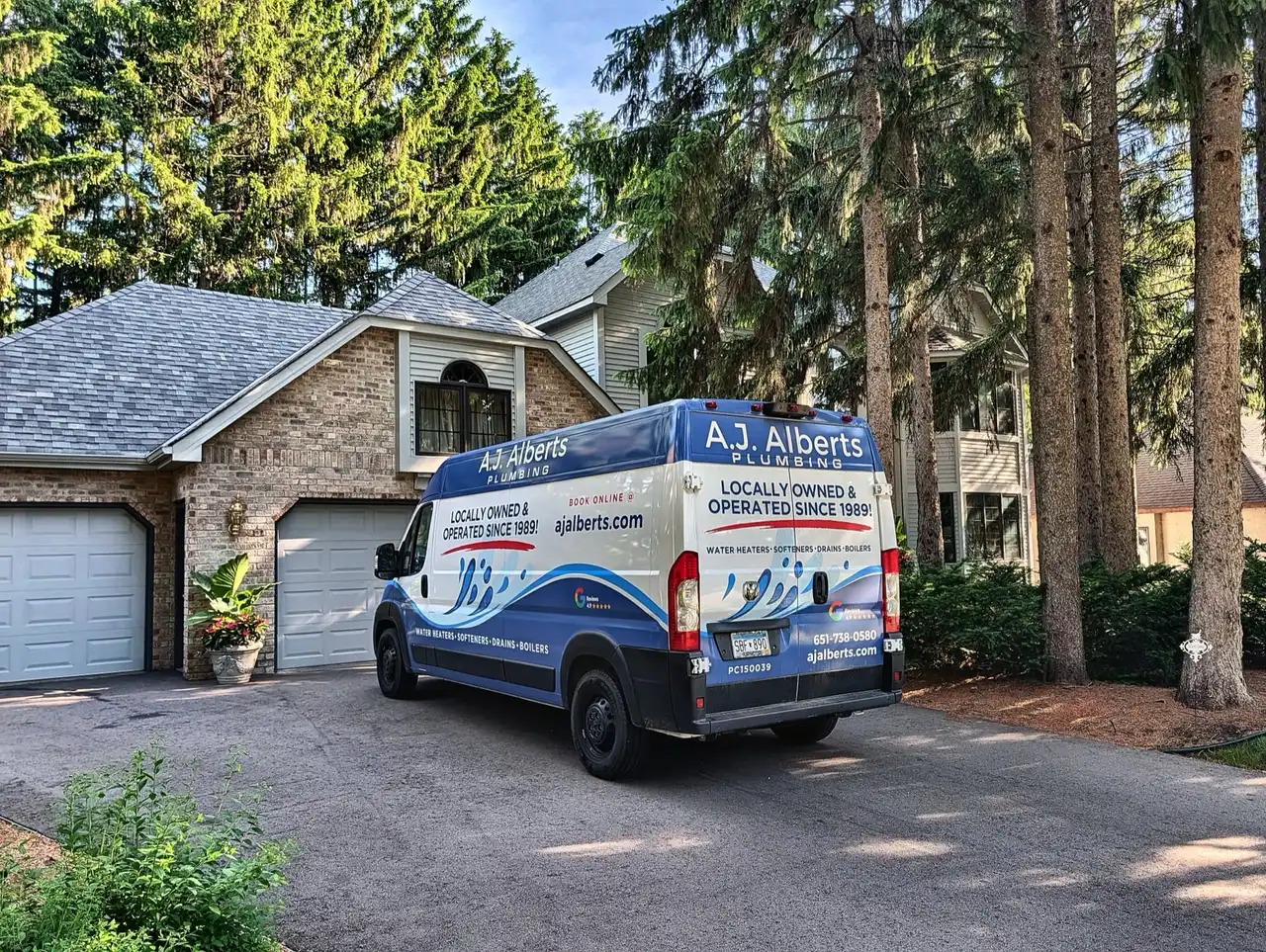
A.J. Alberts Plumbing service van at a Twin Cities home, locally owned and operated since 1989

Water Conditioning

Water Conditioning vs Water Softening: What is the Difference?

Plumbing and water industry terms get used loosely. Here is what each category of equipment actually does, what it does not do, and what fits a Twin Cities home.

Call 651-738-0580

Water softening is a specific process that removes calcium and magnesium hardness from water via ion exchange. Water conditioning is a broader category that includes softening plus filtration, iron removal, PFAS treatment, taste polishing, and other treatments. Industry terminology gets used loosely, but the distinction matters because what your home needs depends on your specific water quality, not on what is in your neighbor's basement.

The specific definitions

Water softening = removal of calcium and magnesium hardness ions from water. The standard residential method is ion exchange, where hard water passes through resin beads that swap sodium ions for the hardness ions. Result: zero hardness in your water, measurable and verifiable.

Water filtration = removal of specific contaminants from water. Examples include sediment filters (remove particles), carbon filters (remove chlorine, taste, odor, some VOCs), iron filters (remove dissolved or precipitated iron), PFAS-certified filters (remove PFOA/PFOS), ultraviolet (kill bacteria), reverse osmosis (remove dissolved solids generally).

Water conditioning = the broader category covering all of the above plus pH adjustment, scale prevention, taste improvement, and any other water quality treatment.

What each addresses

EquipmentRemovesDoes NOT remove
Salt-based water softenerCalcium, magnesium hardnessPFAS, iron, chlorine, bacteria, sediment
Sediment filterParticles, sand, rust flakesDissolved contaminants, hardness
Carbon filterChlorine, some taste/odor, some VOCsHardness, dissolved metals, PFAS (unless certified)
NSF/ANSI 53 PFAS filterPFOA, PFOS, other certified contaminantsHardness, bacteria
Iron filterIron, manganese (depending on type)Hardness, chlorine, PFAS
UV systemBacteria, virusesHardness, chemicals, sediment
Reverse osmosis95-99% of dissolved solids including PFASHardness for the rest of the home (only the RO output is purified)

Notice that no single piece of equipment solves every water quality issue. A home with hard water, iron, and PFAS exposure needs three different treatments running in the correct sequence.

Salt-free water conditioners: the honest answer

Salt-free water conditioners come in several variants:

  • Template-assisted crystallization (TAC) uses ceramic media that nucleates calcium crystals so they precipitate as suspended particles rather than adhering to surfaces
  • Magnetic and electronic systems claim to modify mineral behavior through magnetic fields
  • Chelation systems chemically bind hardness ions

The honest assessment: salt-free systems do not remove calcium and magnesium from water. They modify the behavior of these ions to varying degrees. Independent testing across academic and industry literature has consistently shown salt-free conditioners underperforming traditional ion-exchange softeners on:

  • Reduction of scale on water heater elements
  • Preservation of appliance warranty conditions
  • Effectiveness on detergent and soap dose reduction
  • Verifiable hardness reduction in laboratory testing

For 14+ gpg Twin Cities water, salt-free conditioners do not provide the protection that homeowners expect when buying a “water softener replacement.”

This does not mean salt-free systems have no use. For households with sodium-restricted medical conditions or environmental concerns about brine discharge, modern TAC systems offer some scale reduction. The honest framing: they reduce some scale, they do not soften water.

What a typical Twin Cities home needs

Most homes outside the PFAS zone:

  • Properly sized ion-exchange water softener
  • Optional under-sink RO at the kitchen tap

Homes in the East Metro PFAS contamination zone (Cottage Grove, Oakdale, Lake Elmo, Woodbury, Hugo, Hastings, Mahtomedi, White Bear Lake, New Brighton):

  • NSF/ANSI 53 certified PFAS filtration (whole-home)
  • Properly sized water softener (after PFAS filtration)
  • Optional under-sink RO at the kitchen tap for additional polishing

Homes with private well water:

  • Iron filter sized to water test (often pre-softener)
  • Water softener
  • UV system or chlorination for bacteria
  • Sediment filter if needed

Homes with sulfur (rotten egg smell) issues:

  • Aeration or oxidation treatment for hydrogen sulfide
  • Possibly anode rod replacement if smell is hot-water only

The diagnosis matters

The most expensive mistake we see is homeowners buying equipment based on neighbor recommendation rather than their specific water test. A neighbor’s iron filter is irrelevant if your water has no iron. A neighbor’s PFAS system is irrelevant if you are outside the PFAS zone.

Free in-home water test identifies your specific water quality. We measure hardness, iron, chlorine, pH, and TDS on-site. For PFAS-zone homes, we discuss appropriate certified filtration. Then we recommend what fits your specific home, even if “what fits” is “nothing additional needed right now.”

Call 651-738-0580 or schedule a free water test. See our water conditioning hub.

Frequently Asked Questions

Is water conditioning the same as water softening?
No. Water softening is a specific process that removes calcium and magnesium hardness ions via ion exchange. Water conditioning is a broader category that includes softening, filtration, iron removal, PFAS removal, taste improvement, and other treatments. All water softening is water conditioning. Not all water conditioning is water softening.
Are salt-free water conditioners as effective as salt-based water softeners?
No. Salt-free conditioners (template-assisted crystallization, magnetic, electronic) modify hardness mineral crystal structure but do not remove calcium and magnesium ions from the water. In Twin Cities 14+ gpg water, salt-free conditioners do not provide the same protection to plumbing and appliances that real ion-exchange softeners do. Independent testing has consistently shown salt-free conditioners underperforming on appliance lifespan and scale prevention versus traditional softeners.
What does a typical Twin Cities home need: softening only, or full conditioning?
Most Twin Cities homes outside the East Metro PFAS zone need a properly sized water softener plus optionally an under-sink RO at the kitchen tap. Homes in the East Metro PFAS contamination zone need full whole-home conditioning that includes certified PFAS filtration before the softener. Homes with well water often need iron removal and bacteria treatment in addition to softening.

Need Help in the Twin Cities?

Free in-home water test. Written upfront pricing. Lifetime craftsmanship warranty.